Formazione Transfrontaliera per Carpentieri del Settore Navale a Rijeka
Progetto Interreg Italia–Croazia TOFOLA

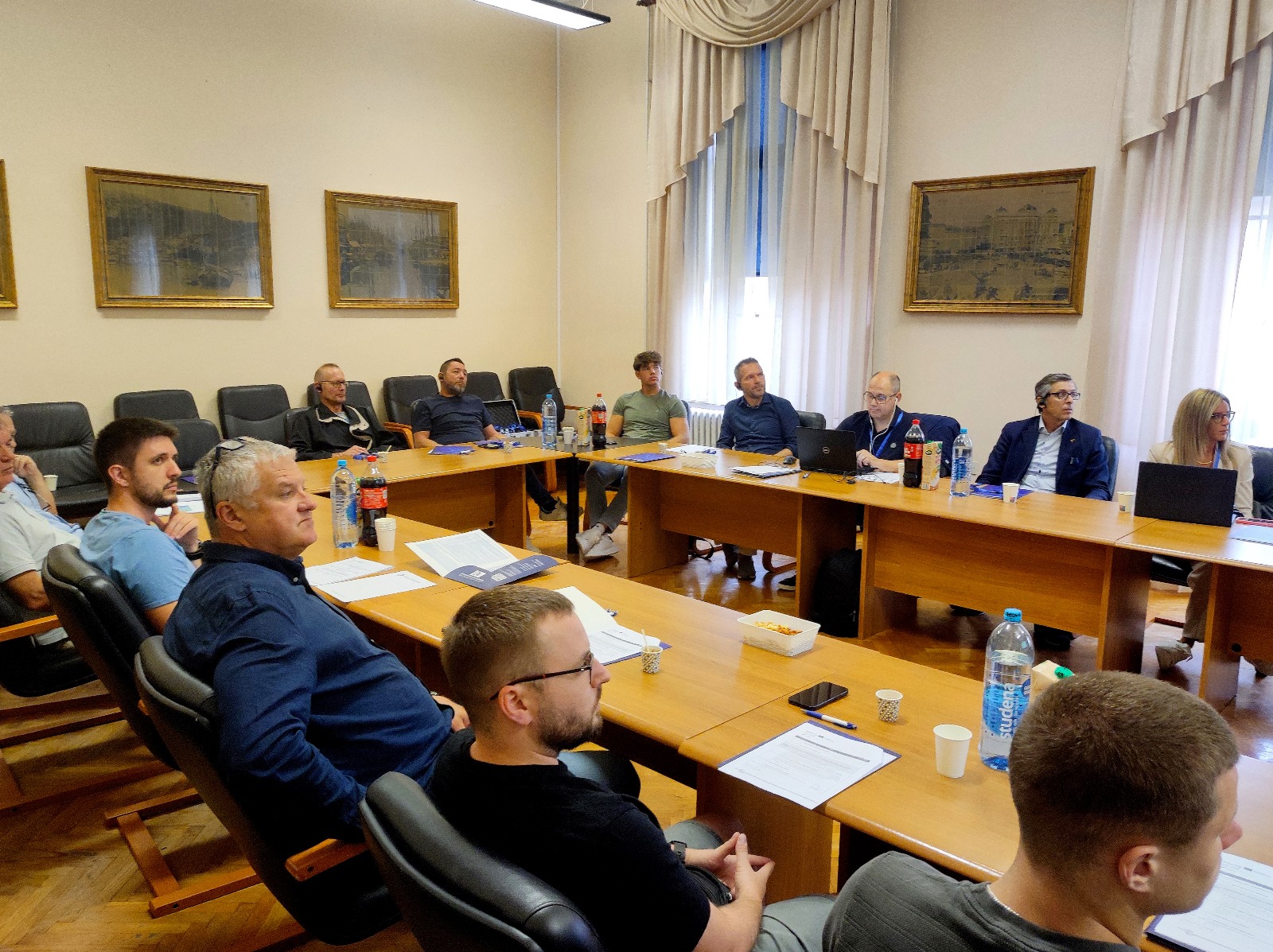
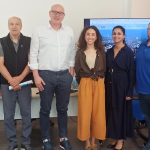
Il 29 luglio 2025 si è tenuto a Rijeka (Fiume) l’ultimo modulo formativo del percorso TOFOLA, nell’ambito del progetto Interreg Italia–Croazia. La giornata, focalizzata sui carpentieri del settore nautico, è stata un’importante occasione di aggiornamento e scambio nel campo della costruzione e del restauro delle imbarcazioni tradizionali in legno.
Un Giorno di Confronto e Eccellenza Artigiana
L’evento è stato organizzato dall’Università degli Studi di Rijeka e da Marservis Ltd., in collaborazione con Centro Consorzi e Laguna. Dopo l’introduzione dell’Università di Rijeka, la sessione ha visto come protagonista il maestro d’ascia Federico Lenardon, che ha illustrato tre dei suoi progetti più significativi, dimostrando come coniugare il rispetto per l’identità storica con l’impiego di tecniche moderne.
I Progetti di Restauro Nautico Storico
Lenardon ha dettagliato due complessi interventi di restauro:
- Restauro di Onkel Adolph (1907): Una barca ritrovata sommersa in un lago e riportata al suo splendore originale grazie a un meticoloso lavoro filologico.
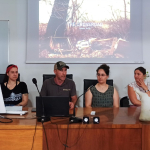
- Hiawatha J. Anker: Un raro esemplare di 7 metri, progettato da Johan Anker, recuperato dopo essere stato scoperto abbandonato in una foresta svedese.
Entrambi gli esempi hanno evidenziato una metodologia che bilancia la conservazione del patrimonio marittimo con l’applicazione di soluzioni costruttive avanzate.
NABABBO IV: Nuova Costruzione e Prestazioni
Il terzo progetto presentato è stato NABABBO IV – THE BORN, una nuova barca a vela di quasi dieci metri. Questa creazione è stata specificamente disegnata per il circuito delle regate nazionali ed europee, rappresentando un perfetto equilibrio tra eleganza classica, costruzione artigianale di alta qualità e ottime prestazioni in navigazione.
Focus Tecnico: La Progettazione della Batana
La sessione pomeridiana ha visto l’intervento dell’architetto navale Dinko Salopek. La sua presentazione è stata dedicata alla progettazione della batana, l’imbarcazione tradizionale dell’Adriatico, simbolo identitario della città di Rovigno.
Salopek ha guidato i partecipanti attraverso le fasi essenziali del processo progettuale: dall’analisi delle esigenze del committente alla selezione dei materiali, fino alla definizione strutturale. L’obiettivo era quello di mantenere viva la tradizione cantieristica nel rispetto delle attuali normative di sicurezza e durabilità.
TOFOLA: Competenze Professionali e Cooperazione Transfrontaliera
L’incontro di Rijeka ha rappresentato un momento fondamentale di scambio tra esperti del settore, contribuendo attivamente a rafforzare le competenze professionali nella cantieristica in legno.
Con questo modulo si è concluso il percorso formativo TOFOLA, mirato a formare nuove figure professionali capaci di rispondere alle esigenze del settore. Il progetto sostiene lo sviluppo del turismo di prossimità e valorizza la cooperazione transfrontaliera tra Italia e Croazia per il patrimonio marittimo.
English
On 29 July 2025, the final training module of the TOFOLA programme took place in Rijeka (Fiume), within the framework of the Interreg Italy–Croatia project. The day, focused on shipwrights in the nautical sector, represented an important opportunity for professional development and exchange in the field of construction and restoration of traditional wooden boats.
A Day of Exchange and Craft Excellence
The event was organised by the University of Rijeka and Marservis Ltd., in cooperation with Centro Consorzi and Laguna. Following the opening remarks by the University of Rijeka, the session featured master shipwright Federico Lenardon, who presented three of his most significant projects, demonstrating how respect for historical identity can be combined with the use of modern techniques.
Historic Nautical Restoration Projects
Lenardon described two complex restoration works:
-
Restoration of Onkel Adolph (1907): a boat recovered after being found submerged in a lake and restored to its original splendour through meticulous philological work.
-
Hiawatha J. Anker: a rare 7-metre vessel designed by Johan Anker, recovered after being discovered abandoned in a Swedish forest.
Both examples highlighted a methodology that balances the conservation of maritime heritage with the application of advanced construction solutions.
NABABBO IV: New Build and Performance
The third project presented was NABABBO IV – THE BORN, a newly built sailing boat of almost ten metres. Designed specifically for the national and European regatta circuit, it represents a perfect balance between classic elegance, high-quality craftsmanship, and excellent sailing performance.
Technical Focus: Designing the Batana
The afternoon session featured naval architect Dinko Salopek, whose presentation was dedicated to the design of the batana, the traditional Adriatic boat and an iconic symbol of the city of Rovinj.
Salopek guided participants through the key stages of the design process, from analysing the client’s needs to selecting materials and defining the structural framework. The aim was to keep traditional boatbuilding alive while complying with current safety and durability regulations.
TOFOLA: Professional Skills and Cross-Border Cooperation
The Rijeka meeting represented a crucial moment of exchange among sector experts, actively contributing to the strengthening of professional skills in wooden boatbuilding.
With this module, the TOFOLA training pathway came to a close, having the objective of training new professional figures capable of meeting the needs of the sector. The project supports the development of proximity tourism and enhances cross-border cooperation between Italy and Croatia in the field of maritime heritage.


Progetti Interreg
Referenti: Alice Ielmini & Edoardo Ebone
alice.ielmini@centroconsorzi.it | + 39 0437 851372
edoardo.ebone@centroconsorzi.it | + 39 0437 851358
Potrebbe interessarti
Aziende


Unidolomiti